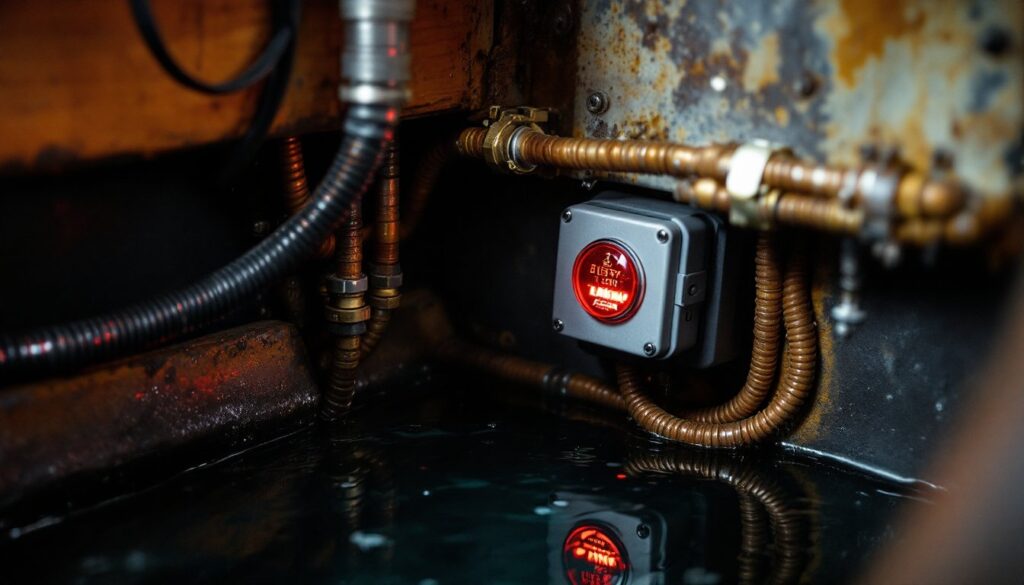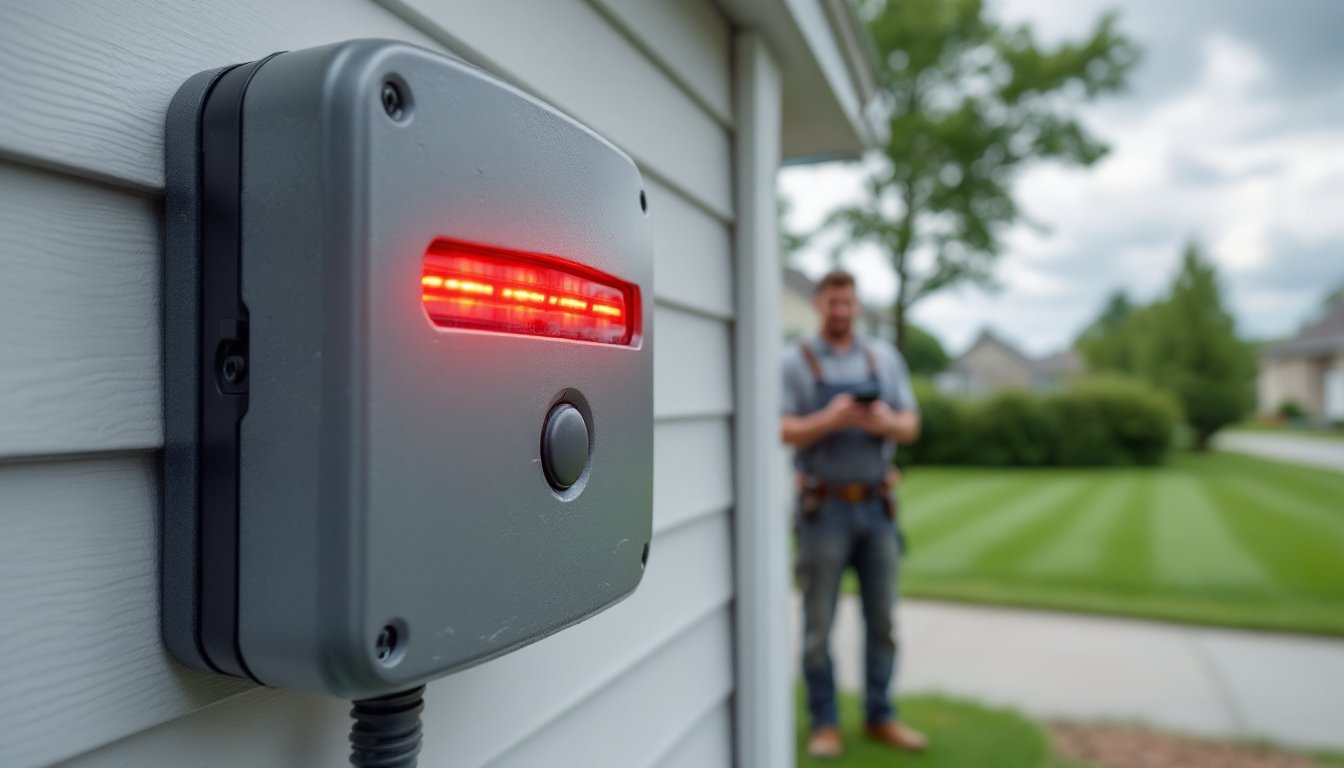

That high-pitched beep echoing from your septic tank’s alarm box is never music to a homeowner’s ears. A septic system alarm means something in your tank or drainage field isn’t working right, but it’s not always a catastrophe. Understanding what triggers the alarm, why it matters, and how to respond can save you thousands in repair costs and prevent a genuine environmental hazard. This guide walks you through what’s actually happening when your septic system alarm sounds off and the practical steps to take next.
Table of Contents
ToggleKey Takeaways
- A septic system alarm alerts you to high water levels or drainage problems in your tank, typically triggered by pump failures or drainage field clogs that require prompt professional attention.
- Before calling a contractor, check that your pump has power and the circuit breaker isn’t tripped, then reduce water usage immediately to help determine if the issue is temporary overload or mechanical failure.
- Most septic system alarm repairs range from $500–$1,500 for pump service, but drainage field replacement can exceed $15,000, making early detection critical for cost control.
- Prevent future alarms by pumping your tank every 3–5 years, avoiding flushing non-biodegradable items, protecting your drainage field from compaction, and fixing leaks promptly.
- Ignoring a septic system alarm risks raw sewage backing into your home and contaminating groundwater, so professional inspection within 24 hours is essential even if levels drop temporarily.
What Is a Septic System Alarm?
A septic system alarm is an electronic alert device that monitors the liquid level inside your septic tank or, sometimes, conditions in your drainage field. Most systems use a float switch (a sensor that rides up and down with water levels) or a timed pump circuit to detect problems before they become disasters.
The alarm’s job is straightforward: warn you when the tank’s liquid level rises above normal. This usually happens because the tank isn’t draining properly into the drainage field, or solids have clogged the system. When triggered, the alarm produces an audible beep and often flashes a red light, though some advanced systems send alerts to a smartphone app.
Not all septic systems have alarms, mainly those with pump tanks (also called lift stations) use them. Gravity-fed systems (where waste flows downhill naturally) rarely include alarms, but many modern installations or systems serving larger homes do. If you have a pump tank, the alarm is your early-warning system and shouldn’t be ignored.
Why Your Septic Alarm Is Sounding
High Water Levels in the Tank
The most common reason your alarm goes off is that wastewater is accumulating faster than the system can drain it away. This typically means either the tank is overloaded (too much water entering at once) or the pump isn’t working correctly.
Running multiple loads of laundry back-to-back, hosting a large gathering, or a sudden plumbing leak can send excessive water into the tank, causing the float switch to rise and trigger the alarm. This usually clears once water levels normalize, sometimes within hours. But, if the alarm stays on, your pump may have failed. A broken pump can’t push water from the pump tank into the drainage field, causing levels to climb. Pump failures often stem from power loss, a tripped circuit breaker, or a faulty motor.
Before panicking, check that your pump’s power switch is on and the circuit breaker hasn’t tripped. If power is fine but the alarm persists, the pump likely needs professional service.
Drainage Field Problems
Your drainage field (also called a leach field) is where treated wastewater percolates into the soil. If it’s failing, water backs up into the pump tank, triggering the alarm. Drainage field problems develop slowly over years of normal use, biomat buildup (a layer of biological matter) gradually clogs soil pores, reducing absorption.
But, drainage field failures can accelerate if the field is poorly sized for your home, installed in clay or silt that doesn’t drain well, or compacted by vehicles or building foundations. Some regional areas with high water tables experience seasonal alarms during wet months because the water table rises into the drainage field’s operating zone.
Diagnosing a drainage field issue requires a professional pump and septic contractor. They’ll perform a dye test or use cameras to inspect the system and confirm whether the field is the culprit. A failing field can’t be patched, it typically requires replacement or an engineered remedy like a sand filter or mound system added to the installation.
What To Do When Your Alarm Goes Off
Step 1: Check the obvious first. Confirm the alarm box has power and the pump’s electrical switch is on. Look for a tripped breaker in your panel and reset it if needed. Listen to see if the pump actually cycles on, you should hear a faint hum every few minutes. If the breaker keeps tripping, an electrical fault is present and a professional is required.
Step 2: Reduce water use immediately. Shut down laundry, showers, and toilet flushing until levels drop or a technician arrives. This buys time and helps you determine if overload was temporary or if a mechanical failure is at fault. Most alarms silence within 6–12 hours if high water use was the cause.
Step 3: Don’t ignore it, and don’t use additives. Septic system alarms aren’t a “reset and forget” situation. Ignoring the signal risks raw sewage backing up into your home or leaching untreated wastewater into groundwater. Those bacteria-boosting additives won’t fix a pump failure or drainage field problem.
Step 4: Call a licensed professional. If power and water reduction don’t resolve the alarm within a day, call your local septic pumping and maintenance contractor. They can diagnose the root cause quickly using pressure tests and visual inspection. How to troubleshoot a septic system alarm includes detailed diagnostics, though most homeowners benefit from professional assessment.
Be prepared to describe what happened before the alarm sounded, heavy water use, no recent symptoms, or a history of slow drains, as this helps contractors narrow down the issue. Septic alarm going off here’s what to do provides guidance on next steps once you’ve contacted service providers.
Expect pump repairs to run $500–$1,500 depending on the pump model and whether replacement is needed. If drainage field failure is diagnosed, costs escalate significantly, partial repairs might run $5,000–$10,000, and full field replacement often exceeds $15,000. Regional costs vary widely based on soil conditions, permit requirements, and local labor rates.
Prevention Tips To Avoid Future Alarms
Pump your tank on schedule. Most systems need pumping every 3–5 years for a household of four. A full tank forces solids toward the drainage field, clogging it faster and triggering alarms. If you’re unsure when your tank was last pumped, have it inspected now, a pumping company can tell you immediately.
Know what not to flush. Your septic system is not a garbage disposal. Avoid flushing paper towels, diapers, feminine hygiene products, cat litter, grease, or “flushable” wipes (they don’t break down like toilet paper). These trap solids in the tank or clog the field. Use a trash can instead.
Protect the drainage field. Never park vehicles, build structures, or landscape over the drainage field area. Compaction crushes soil pores and kills beneficial microbes. Mark the field’s location on your property map and keep it clear.
Use water wisely at home. Install low-flow toilet flapper kits (1.5 gallons per flush instead of 3–7 gallons) and fix dripping fixtures immediately. A running toilet can waste thousands of gallons monthly, overwhelming any septic system. Spread laundry and showers throughout the week rather than bunching them into one or two days.
Maintain a clear alarm. If your alarm ever sounds, even briefly, have a contractor inspect the system. Early action catches problems before they become failures. Regular maintenance and an annual inspection by a professional keep your system running quietly for decades. Septic system troubleshooting offers additional preventative strategies. A GE Home Security Alarm example shows how modern alert systems work, though your septic alarm operates on the same principle: notifying you when action is needed.
Conclusion
A septic system alarm isn’t a minor annoyance, it’s a crucial safety signal. Whether caused by a stuck float, a failed pump, or a failing drainage field, the alarm buys you time to act before raw sewage backs into your home or pollutes groundwater. The fix might be as simple as resetting a breaker or as involved as replacing a pump tank, but professional diagnosis is the only way to know. Stick to a pumping schedule, guard your drainage field, and don’t defer maintenance when an alarm sounds. Your septic system handles what your toilet flushes away, treat it with the respect it deserves.