
A driveway alarm is one of the smartest investments a homeowner can make for perimeter security. Unlike traditional motion lights or camera systems that require complicated wiring, wireless driveway alarms operate independently, giving you real-time alerts when someone, or something, approaches your property. Whether you’re monitoring a long rural driveway, securing a rental property, or just want extra peace of mind, a quality wireless driveway alarm keeps you informed without very costly or requiring a licensed electrician. This guide walks you through what to look for and the best options available in 2026.
Table of Contents
ToggleKey Takeaways
- A wireless driveway alarm provides real-time motion or vehicle detection alerts without expensive wiring, trenching, or hiring an electrician, making it an affordable perimeter security choice for homeowners.
- The best wireless driveway alarm systems balance cost and features: budget options under $30 suit temporary use, mid-range PIR systems ($40–80) deliver solid 300–500 foot range for most DIYers, and premium smart-home models ($100–200) offer smartphone notifications and integration.
- Mount your wireless driveway alarm sensor 3–6 feet high with a clear line of sight to your driveway approach zone, and adjust sensitivity after installation to reduce false alarms from wind, animals, or vegetation.
- Battery life, detection method (PIR vs. radar hybrids), weatherproof ratings (IP65 or IP67), and alert options (chime, tones, or smartphone notifications) are critical specs to evaluate before purchase.
- Test your wireless driveway alarm at different distances and angles after installation, and relocate the sensor if range feels short—degraded battery voltage significantly impacts real-world detection performance.
- Hybrid PIR and radar sensor models reduce false alarms near trees and bushes better than basic PIR-only systems, making them worth the extra investment for properties in wooded or windy settings.
Why Choose a Wireless Driveway Alarm?
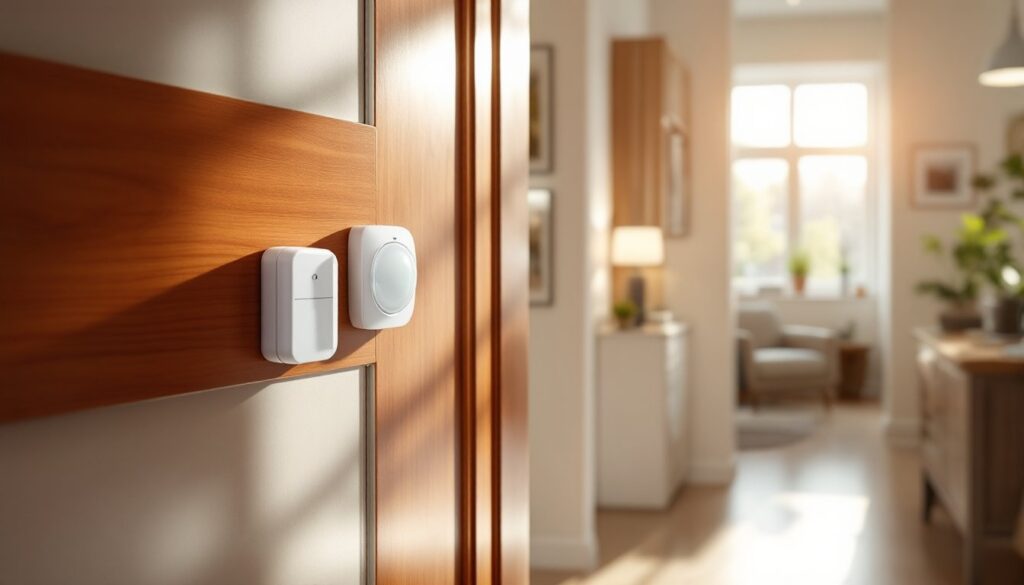
A wireless driveway alarm detects motion or vehicle arrival and sends an alert to a receiver inside your home. No trenching, no running cable through walls, and no hiring an electrician, you’re installing battery-powered sensors and a receiver, plain and simple.
The main advantage is flexibility. You can relocate sensors without damage, test placement before committing, and expand the system later. Wireless systems also avoid the common problem of buried cable strikes, which plague wired outdoor security systems.
They’re especially practical for detecting package thieves, unexpected visitors, or animals on your property. Unlike a camera, which requires you to review footage, a wireless alarm gives you an immediate alert so you can investigate in real time. For rural homeowners or those with long driveways, they’re far cheaper than installing motion-activated lights along the entire property line.
In a world where home security is more important than ever, the Sabre Wireless Motion Sensor offers a straightforward, battery-powered solution that requires no installation expertise.
Key Features to Look For
Before you buy, understand what separates a reliable wireless driveway alarm from a flimsy one.
Detection Method: Most systems use passive infrared (PIR) sensors, which detect heat from moving objects. PIR is proven and affordable but can be triggered by animals or wind-blown debris. Some premium units combine PIR with radar, reducing false alarms. Others use hardwired pressure mats buried under the driveway surface, but that’s overkill for most homeowners, and defeats the “wireless” advantage.
Power Source: Battery life matters. Look for systems rated for 12–24 months on AA or AAA batteries, and check if the receiver uses wall power or batteries too. Alkaline batteries are standard, but some units support rechargeable options, saving money long-term.
Alert Options: Cheap alarms chirp only. Better ones offer volume adjustment, multiple tone options, and LED indicators. Premium systems integrate with your phone via WiFi or smart home platforms, sending push notifications to your smartphone. That last feature is worth the extra cost if you’re away from home frequently.
Build Quality: Weatherproof doesn’t all mean the same thing. Look for IP65 or IP67 ratings (water and dust resistant) and UV-resistant plastic housings. Sensor lenses cloud over after a few years in direct sun if the material is cheap.
Range and Sensitivity
Range is the single most important spec you’ll see advertised. Wireless driveway alarms typically claim 300 to 2,000 feet of detection distance, but that’s often tested on an open field with a warm object. Real-world range depends on obstacles (trees, hills, buildings), weather, and the battery condition.
Sensitivity controls let you filter what triggers the alarm. High sensitivity catches everything, birds, leaves, and pets. Low sensitivity requires a larger, warmer moving object, reducing false alerts but risking missed detections. The best alarms let you dial this in after installation, so you can match your site conditions.
Test the unit before fully depending on it. Place the sensor 50 feet away and walk toward it. Adjust sensitivity down if you’re getting nuisance alarms from wind or animals. If range feels short, the battery is likely low, sensor performance degrades as voltage drops.
Top Wireless Driveway Alarm Options
Plenty of options exist, but a few stand out for reliability and user experience.
Premium Smart-Home Enabled Systems: If you want phone alerts and integration with Alexa or Google Home, expect to spend $100–200. These units connect via WiFi and log events for review. They’re overkill for simple presence detection but shine if you want to monitor while traveling or coordinate with other smart home cameras.
Mid-Range PIR + Chime Systems: The sweet spot for most DIYers is $40–80. These pair a battery-powered motion sensor with a plug-in receiver that offers adjustable volume and multiple alert tones. No smartphone required, you hear the chime and respond. Recent testing from industry reviews on driveway alarms confirms these units deliver solid 300–500 foot range in typical residential settings.
Budget Wireless Alarms: You’ll find systems under $30, but expect shorter battery life, weaker range, and plastic construction that won’t last more than 2–3 seasons outdoors. They work fine as a temporary solution or for indoors, but outdoor durability is questionable.
Dual-Sensor Hybrid Models: Some manufacturers pair PIR with radar to cut false alarms significantly. These cost more ($80–150) but are worth it if your driveway sits near trees, bushes, or gets regular wind. Smart home technology trends increasingly favor these hybrid approaches for outdoor security.
For detailed comparisons and current ratings, top-reviewed driveway alarms break down performance across categories.
Installation and Setup Tips
One reason wireless alarms appeal to DIYers is the straightforward setup, but a few mistakes can tank performance.
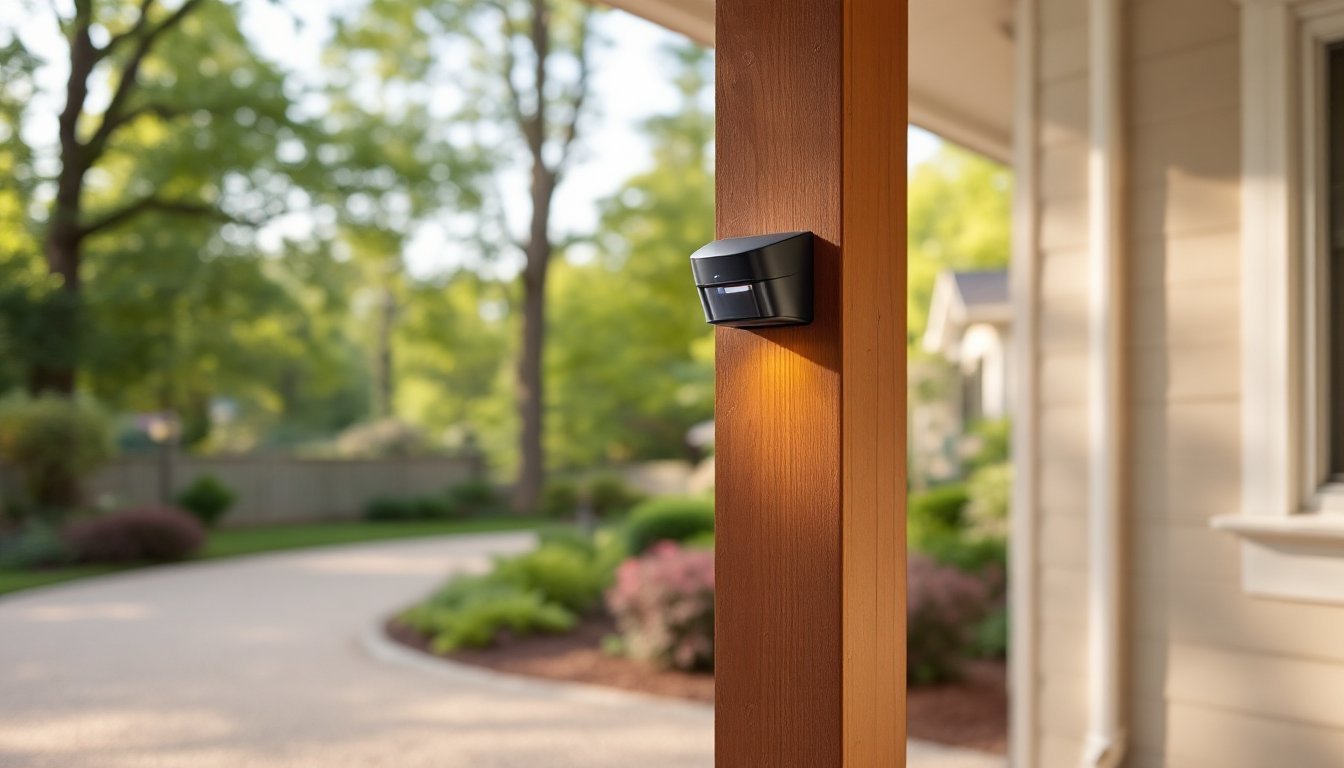
Placement: Mount the sensor 3–6 feet high on a post, pole, or bracket pointed toward your driveway. Mounting too low risks grass clipping false alarms: too high and you lose sensitivity to smaller vehicles or approaching pedestrians. Angle the sensor to cover the approach zone, not your entire property, to reduce nuisance triggers.
Clear the Line of Sight: Trim branches or vegetation that could block the sensor’s view or cause shadows that confuse motion detection. Even small branches waving in wind trigger cheap PIR units.
Receiver Placement: Keep the receiver indoors in a central location so the alert carries throughout your home. Test audio range before finalizing placement, a receiver buried in a garage corner won’t alert you if you’re upstairs.
Battery Installation: New sensors sometimes come with a pull-tab that isolates the battery. Remove this before powering on. Fresh batteries are critical: old batteries in the package reduce range and reliability. Use quality alkaline batteries (Duracell, Energizer) for outdoor sensors.
Weatherproofing: Even “weatherproof” sensors need protection from direct rain spray. If mounting on an open post, angle the sensor slightly downward and install a small roof overhang above it using PVC or aluminum trim. This prevents water pooling on the lens.
Test After Install: Walk the driveway perimeter at different distances and angles. Adjust sensitivity if you’re getting false alarms from wind or animals. A sensor that triggers on every leaf means you’ll stop listening to it, defeating the whole purpose.
Unlike wired home alarm systems, wireless units avoid the need for permits or professional installation in most jurisdictions, though you should confirm local codes if your alarm ties into a professional monitoring service.
Conclusion
A wireless driveway alarm is a practical, affordable layer of perimeter security that doesn’t require professional installation or ongoing service contracts. Choose based on your actual needs: simple chime for presence detection, or smart-home integration for remote alerts. Proper placement and sensitivity tuning beat fancy specs every time. Test before you commit, and don’t hesitate to relocate the sensor if initial results disappoint.