
A working fire alarm system isn’t optional, it’s a lifeline. While many homeowners rely on basic battery-powered detectors, Siemens fire alarm systems offer a more comprehensive approach to whole-home fire protection. These systems combine hardwired detectors, control panels, and integration options that go beyond what standalone units can provide. Whether you’re building new, upgrading an older system, or simply curious about what professional-grade protection looks like, understanding Siemens fire alarm technology helps you make informed decisions about your home’s safety. This guide walks you through what sets these systems apart, how they work, and what you need to know about installation and upkeep.
Table of Contents
ToggleKey Takeaways
- Siemens fire alarm systems offer comprehensive whole-home protection through hardwired detectors, centralized control panels, and multiple detection zones that outperform basic battery-powered detectors.
- These systems feature modular, expandable design with 24-volt DC power backed by rechargeable batteries, allowing functionality during power outages and customization as your needs grow.
- Proper detector placement on ceilings and high walls at least 4-6 inches from corners is critical for optimal coverage, and the NFPA guidelines reflect how fires actually behave in homes.
- While some newer Siemens models support smartphone monitoring and smart home integration, these convenience features should not replace audible alerts as your primary notification method.
- Many jurisdictions require permits and licensed technician inspection for hardwired fire alarm installation, which protects your insurance coverage and ensures code compliance.
- Monthly testing of each detector, annual battery replacement, and preventing dust buildup or obstruction of sensor vents are essential maintenance practices that keep your Siemens system reliable.
What Makes Siemens Fire Alarm Systems Stand Out
Siemens fire alarm systems are engineered for reliability and scalability. Unlike basic smoke detectors, a Siemens system centralizes detection and alerts through a control panel that monitors multiple zones throughout your home. This matters because a fire in an attic or basement can spread before you notice it in the main living areas.
The core strength of Siemens systems is their modular design. You can start with a basic setup and expand it as needed, adding detectors, heat sensors, or manual pull stations without replacing the entire panel. Most Siemens systems use a 24-volt DC power supply backed by a rechargeable battery, so they function even during a power outage.
These systems also meet or exceed current fire codes and safety standards, including UL 1971 (Standard for Safety Signaling Devices for the Deaf and Hard of Hearing) and compliance with local building codes, which vary by jurisdiction. If your area requires permits for alarm system installation, Siemens equipment typically satisfies those requirements. The brand has decades of commercial fire protection experience, and that expertise transfers into their residential offerings, solid construction, predictable performance, and parts availability.
Key Features and Components You Should Know
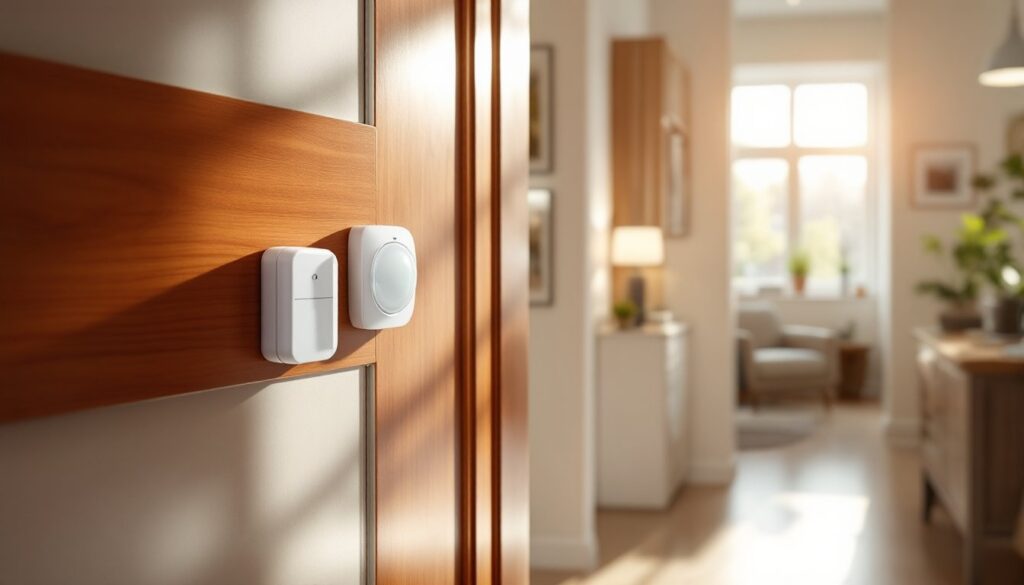
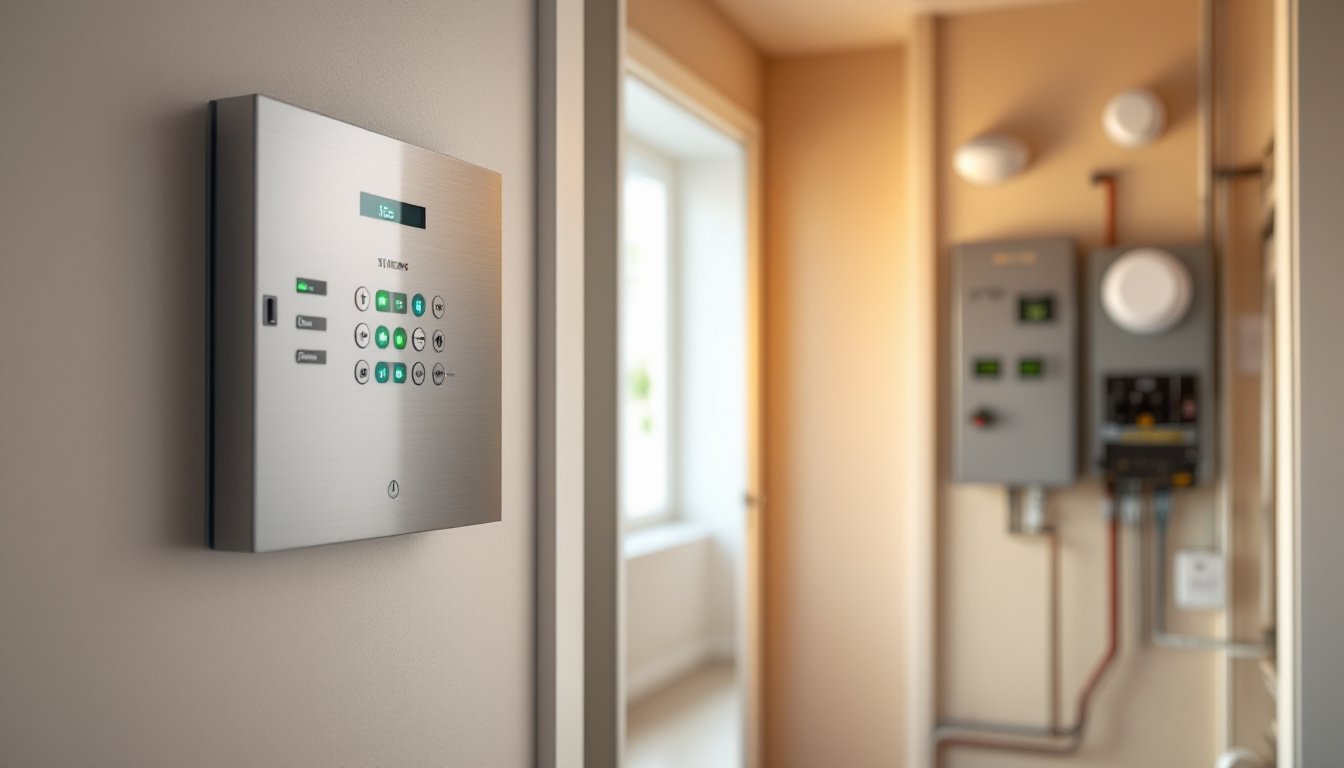
A typical Siemens residential fire alarm system includes several key pieces working together. The control panel is the brain, usually mounted in a utility closet or garage, it manages detection zones and triggers alerts. Hardwired smoke detectors throughout the home send signals back to the panel when they sense smoke, and they operate independently if power fails (thanks to backup batteries). Some systems include heat detectors (which respond to temperature spikes rather than smoke), useful for kitchens or garages where false alarms from cooking or equipment are common.
The audible alarm is loud, typically 85 decibels or higher, loud enough to wake someone from sleep. The panel also controls visual indicators and can trigger a siren or bells depending on your wiring. If you have a hearing impairment, many Siemens panels integrate with strobe light signals that flash in sync with audible alerts.
Backup power is critical. The rechargeable battery in the panel keeps the system running for at least 24 to 48 hours if mains power fails, and individual detectors often have their own 9-volt batteries as a secondary backup. This redundancy means your system keeps working even during an outage.
Smart Integration and Connectivity Options
Modern Siemens systems, particularly their newer lines, support connectivity features that let you monitor activity from your phone or receive notifications when an alarm triggers. Some models integrate with popular smart home platforms, though this varies by model and your internet setup. Before assuming smartphone control, verify which Siemens system you’re considering actually supports those features, not every residential model does.
When adding connectivity, ensure your internet connection is stable and your Wi-Fi signal reaches the control panel location. Weak connectivity can cause notification delays. Some installers recommend a hardwired Ethernet connection to the panel if possible, which is more reliable than Wi-Fi. Keep in mind that smart features are a convenience, not a replacement for audible alerts, if you rely only on phone notifications and don’t hear the alarm, you’ve lost the speed that saves lives.
Standard Siemens systems without smart features work just fine and often cost less. Choose based on your actual needs and comfort level with connected devices, not because the bells and whistles sound appealing.
Installation Basics for DIY Enthusiasts
Installing a Siemens fire alarm system isn’t a typical DIY weekend project, and here’s why: the wiring itself is straightforward, but running wires through walls, planning detection zones correctly, and ensuring every detector is positioned for optimal coverage requires thought and planning. Many jurisdictions also require permits for hardwired alarm systems and may mandate inspection by a licensed technician. Check with your local building department first, skipping this step could void your insurance coverage if a fire occurs.
If your local code allows DIY installation, start with a site plan. Mark every room, including closets, attics, basements, and garages. Detectors should be placed on ceilings (where smoke naturally rises) or high on walls, at least 4-6 inches from any corner or air vent. Bedrooms need detectors inside the room, not just outside the door. The NFPA (National Fire Protection Association) publishes placement guidelines, these aren’t suggestions: they reflect how fires actually behave.
Wiring a system involves running 14/2 or 16/2 cable (depending on panel specifications) through walls, floors, or conduit. You’ll need a fish tape, staples rated for electrical wiring, and patience. The detectors wire in series to the panel, meaning one broken wire can disable multiple devices. This is why professionals test every single detector after installation, it catches wiring errors.
The control panel itself mounts near your main electrical panel or in a central utility location. It needs a dedicated 120-volt circuit breaker and proper grounding. If you’re not comfortable working with electrical panels, hire a licensed electrician for this part. Many Siemens retailers can recommend local installers who offer competitive rates.
Consider consulting resources like This Old House for general hardwired system concepts, then contact a professional for the actual install if you’re uncertain. The cost of an installation mistake (a disabled system during a fire) far outweighs hiring a technician upfront. Your insurance company may also offer discounts if a licensed professional installs the system.
Maintenance and Testing for Optimal Performance
Once installed, your Siemens system needs regular attention to stay reliable. Monthly testing is the standard, most panels have a test mode that lets you verify each detector responds without triggering the full alarm. Walk through the house, press the test button on each detector, and confirm the panel acknowledges it. If a detector doesn’t respond, note which one and check its wiring connection at the panel.
Battery replacement matters. Hardwired detectors often include 9-volt batteries as a backup. Replace these annually, or whenever you hear a low-battery chirp. Don’t ignore that chirp, it means the detector could fail during an actual fire if mains power is lost. The panel’s rechargeable battery should be professionally tested every 2-3 years to confirm it still holds a charge: many alarm companies include this in annual maintenance plans.
Dust buildup reduces detector sensitivity. Once a year, gently vacuum the detector vents with a soft brush attachment. Never spray cleaner directly onto detectors, use a slightly damp cloth to wipe the exterior only.
When you repaint rooms or renovate, take care not to cover detector vents with drywall compound, paint, or caulk. A sealed detector is a useless detector. Similarly, don’t hang decorations or install shelving directly under or very close to detectors, they need an unobstructed path for smoke and heat to reach the sensor.
If your system is connected to a monitoring service, confirm they have your current contact information and emergency procedures on file. Test the panel’s communication line (if it has one) to ensure alerts actually reach the monitoring center. If you move or change your phone number, update those details immediately.
Many homeowners upgrade or expand their systems after the initial install, adding a detector to a newly finished basement, for example. If you go this route, verify the new detector is compatible with your panel model and has the same voltage and wire gauge requirements. Incompatible components can cause the whole system to malfunction.
Conclusion
A Siemens fire alarm system raises your home’s safety above the bare minimum. These systems combine proven engineering, redundant power, and expandable design to give you genuine whole-home protection. Whether you install professionally or take on the wiring yourself (with proper permits and testing), the investment pays for itself the day it prevents a fire death. Stay on top of maintenance, test monthly, and replace batteries without delay. Your life, and your peace of mind, depends on it.