
If you’re shopping for a home security system, you’ve probably seen Cove mentioned as an affordable, renter-friendly option. But does it live up to the hype? Cove alarm systems have gained traction in the DIY security market, promising easy installation, low upfront costs, and flexible monitoring. This review breaks down what Cove actually offers, how it stacks against the competition, and whether it’s the right fit for your home. We’ll cover the hardware, installation process, pricing, and real customer feedback to help you decide if Cove deserves a spot on your security shortlist.
Table of Contents
ToggleKey Takeaways
- Cove alarm systems offer an affordable, renter-friendly DIY option with upfront costs of $300–$400 and flexible monthly monitoring plans starting at $20, making it ideal for budget-conscious renters without permanent installation concerns.
- Installation is simple and tool-free, taking 30–60 minutes for most users, but system reliability depends heavily on a stable Wi-Fi connection, with cellular backup available as an extra cost option.
- Cove alarm system reviews highlight strong user satisfaction for portability and ease of setup, though common complaints include Wi-Fi dependency, occasional false alarms from sensor sensitivity, and slower police response times on basic plans.
- The system integrates with smart home platforms like Alexa and Ring ecosystems, allowing remote control via mobile app, but offers less deep integration compared to wired systems.
- For renters and homeowners seeking affordable entry-level security without permanent installation, Cove delivers honest value, but users in areas with unreliable internet or needing rock-solid redundancy may prefer professional alternatives.
What Is Cove and How Does It Work?
Cove is a DIY home security company that sells wireless alarm systems designed for easy installation. Unlike traditional monitored systems that require a technician visit and long contracts, Cove ships you a kit with sensors, a control panel, and other components, you set it up yourself, usually in under an hour. The system connects to your home network via Wi-Fi and communicates with Cove’s monitoring centers through the same connection.
The core setup includes a control panel (the hub), door and window sensors, a motion detector, and often a keypad or mobile app for arming and disarming. When a sensor detects activity, the panel alerts Cove’s monitoring team, who can contact local emergency services if needed. Unlike some competitors, Cove doesn’t require hardwiring into your electrical panel, everything runs on batteries and Wi-Fi, which simplifies installation but ties you to your internet connection. If your Wi-Fi goes down, the system can still function on cellular backup (available on select plans).
Key Features and Technology
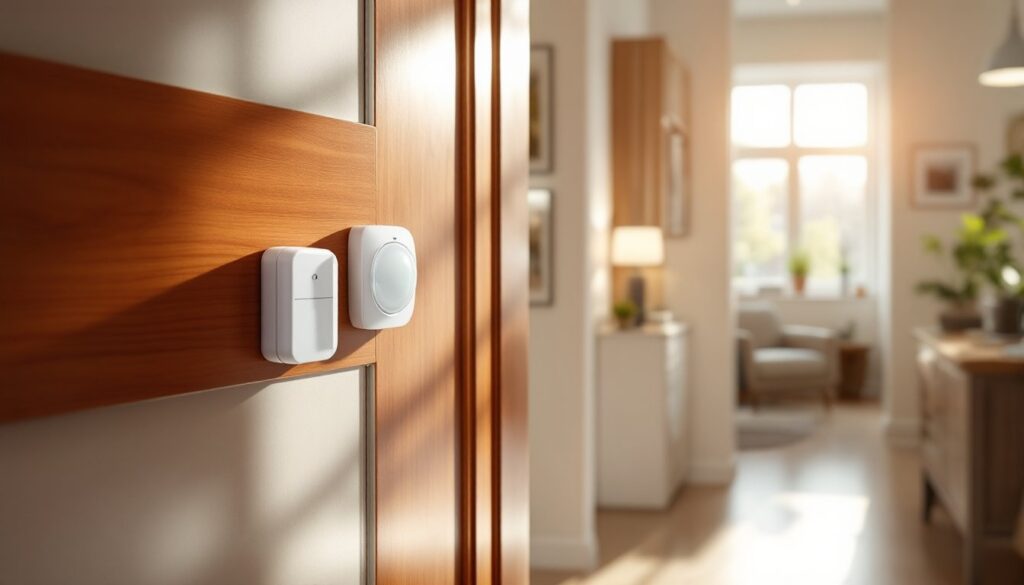
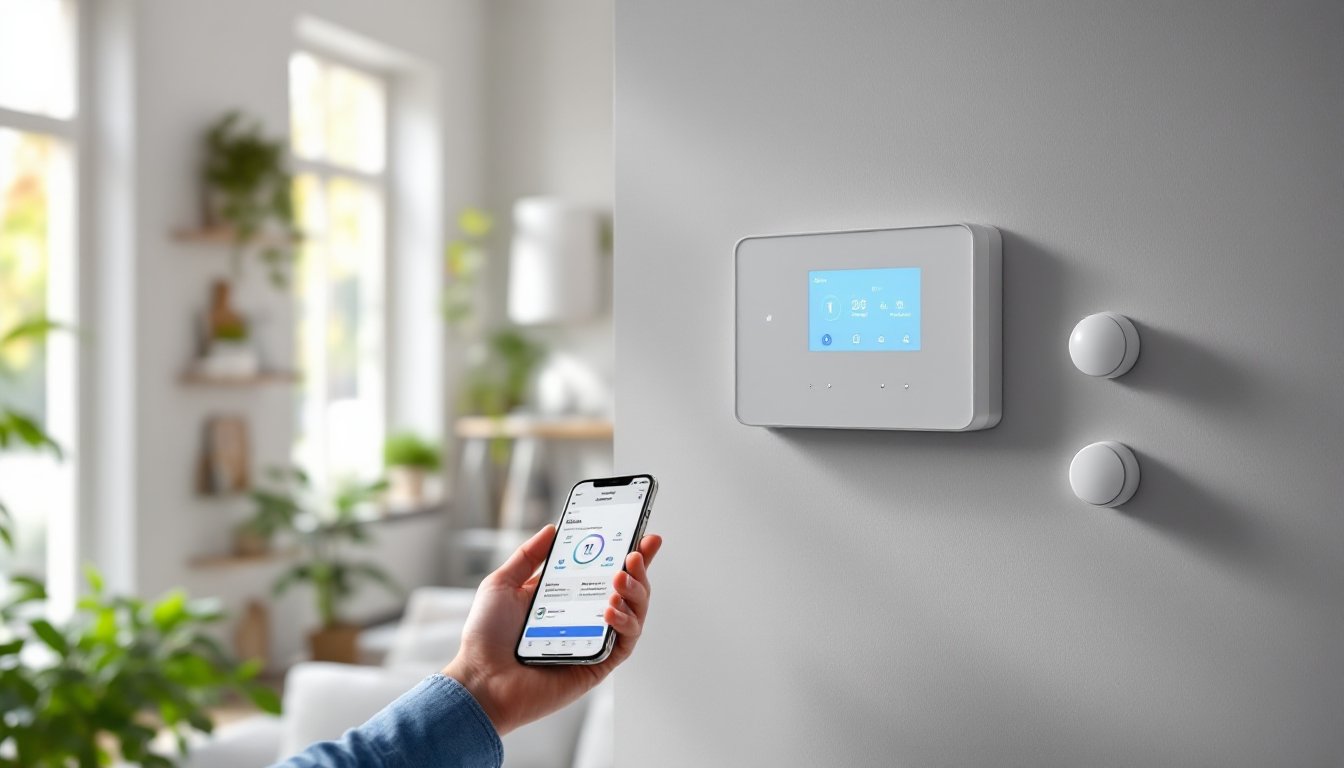
Cove’s hardware is straightforward and focused on the essentials. The control panel is a touchscreen device that lives on a shelf or wall mount: it’s small enough to blend into most homes without looking like an industrial alarm box. The door/window sensors are passive and battery-powered, so they require no wiring.
The motion detector uses standard infrared technology to detect movement in a room. Sensors communicate with the hub via wireless signals, cutting out the need for runs of alarm wire throughout your home. All components are compatible with common smart home platforms, which broadens your options for automation and remote monitoring.
Smart Home Integration and Control
Cove integrates with Ring Alarm Home Security ecosystems and works with voice assistants like Alexa, though some integrations require third-party apps. You can arm or disarm the system remotely through the mobile app, receive instant notifications if a sensor is triggered, and check sensor battery levels from your phone. This flexibility appeals to renters who want security without permanent installation, and to homeowners who value smartphone control. But, GE Home Security Alarm systems and other competitors sometimes offer deeper integration with more smart home devices, so compare your specific ecosystem before committing.
Pricing, Installation, and Setup
Cove’s pricing is competitive for the DIY market. A basic starter kit costs around $300–$400, depending on promotions and which sensors are included. Monthly monitoring plans run $20–$40, with options for 24/7 professional monitoring, self-monitoring (you respond to alerts), or hybrid plans.
Installation is genuinely simple, no special tools or skills required. You unbox the components, mount sensors with adhesive strips or small screws, plug in the control panel, download the app, and go through the setup wizard. Most people complete the job in 30–60 minutes. There’s no waiting for a technician, no long-term contract lock-in on the hardware, and no hidden installation fees. If you rent, this appeals immediately: you can take the system with you when you move.
One catch: setup requires a stable Wi-Fi connection and a smartphone. If your internet is unreliable, cellular backup (if you add it) helps but costs extra. The system also needs power for the panel: a few hours without electricity means you’re down to battery-backup sensors only, which is fine for detection but won’t send alerts.
Customer Reviews and Real-World Performance
Customer feedback on Cove is mixed but generally positive. Renters praise the lack of permanent installation and portable nature: one reviewer noted that moving the system to a new apartment took 20 minutes. Professional reviews from CNET’s Cove Smart Home Security evaluation highlight the affordability and user-friendly interface as standout strengths.
Common complaints center on Wi-Fi dependency, false alarms from faulty sensors, and slower police response times with some monitoring plans. A few owners reported that the control panel occasionally drops its Wi-Fi connection, requiring a restart, inconvenient if you’re away. Some users also mentioned that Cove’s customer service can be slow during peak hours, though their Digital Trends Cove Security review suggests this has improved.
False alarms are a legitimate concern. If a sensor is over-sensitive to vibrations or placed near a heat vent, it may trigger incorrectly. Once you dial in sensor placement and sensitivity, most users report reliable operation. Response time to real alerts is generally quick, monitoring centers call within 60–90 seconds if a sensor is triggered.
Pros and Cons of Cove Alarm Systems
Pros:
- Renter-friendly: No hardwiring or permanent installation: take it with you when you move.
- Low upfront cost: Starter kits are cheaper than many wired systems or other DIY alternatives.
- Easy setup: No tools, no electrician, no app complexity: most people set it up in under an hour.
- Flexible monitoring plans: Choose professional 24/7 monitoring or self-monitoring to match your needs and budget.
- Mobile app control: Arm, disarm, and monitor from anywhere: instant notifications keep you in the loop.
- No long-term hardware contract: You own the equipment: cancel monitoring whenever you want.
Cons:
- Wi-Fi dependent: System reliability ties to your internet connection: outages disable remote features and monitoring unless you pay for cellular backup.
- Slower emergency response: Some monitoring plans have longer response times than traditional 24/7 monitored systems.
- Sensor sensitivity: Cheap sensors can produce false alarms: tuning placement takes trial and error.
- Limited integration: Compared to wired home alarm systems, Cove doesn’t integrate as deeply with every smart home platform.
- Customer service: Some users report slow response times during busy periods.
- Battery maintenance: Wireless sensors need periodic battery checks: you’ll replace batteries every 1–3 years depending on usage.
Conclusion
Cove is a solid choice if you’re renting, want a low-cost entry into home security, or value portability and easy installation over advanced features. Its pricing and user-friendly setup make it accessible to DIYers with zero alarm experience. But, if you live in an area with unreliable internet, need rock-solid redundancy, or want deep smart home integration beyond the basics, you might find Smith Thompson Home Security and Alarm Houston Reviews or other professional systems a better fit. For most renters and budget-conscious homeowners, Cove delivers honest value, just go in with realistic expectations about Wi-Fi dependency and sensor tuning. Before you buy, test your internet reliability and consider whether monthly monitoring fees align with your long-term plans.